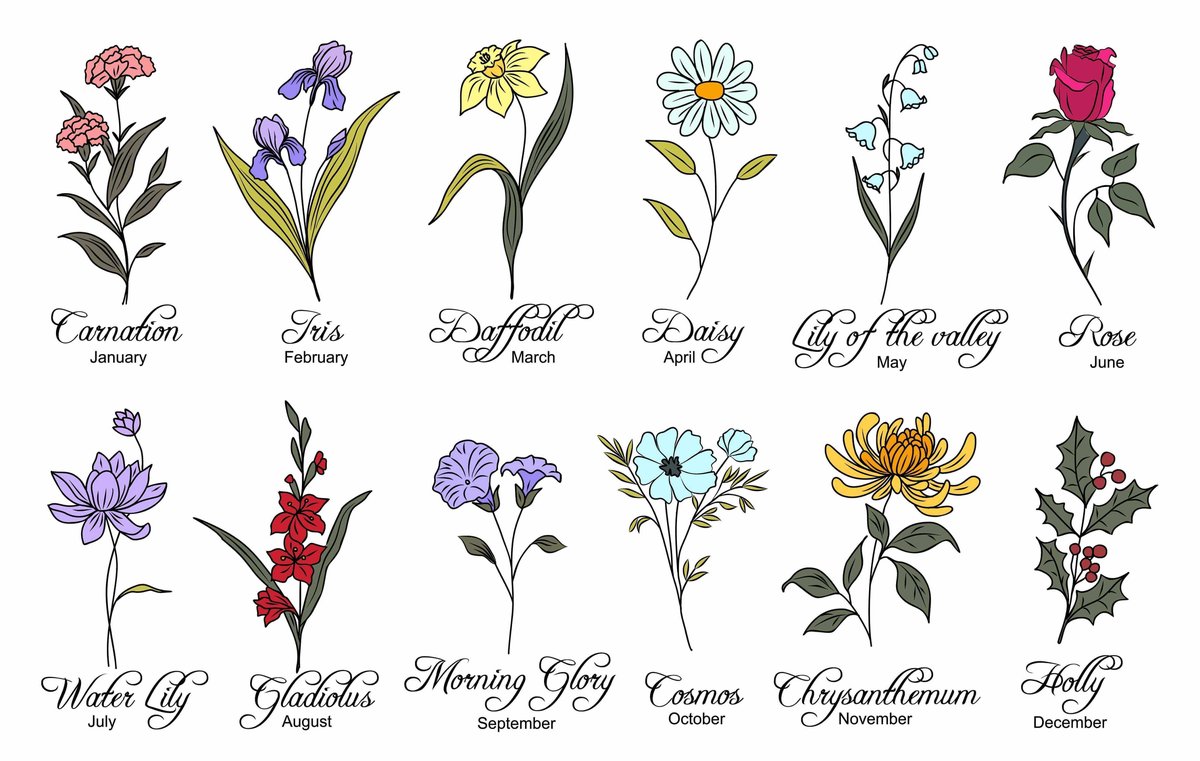
When we choose a flower, we’re not just picking a pretty bloom; we’re selecting a silent storyteller, a vibrant ambassador of emotion and meaning. And when that flower is intrinsically tied to the month you arrived in the world, its message becomes profoundly personal. Understanding Birth Flower Meanings & Symbolism offers a unique lens through which to appreciate nature, connect with personal identity, and craft gifts that truly resonate. It’s like discovering your own floral signature, a botanical badge of honor rooted in centuries of tradition.
Ready to uncover the rich tapestry of your own birth month's blooms?
At a Glance: Your Floral Guide
- Ancient Roots, Modern Meanings: Birth flowers are steeped in history, mirroring birthstones as symbols of identity and character.
- Two Blooms, One Month: Many months boast a pair of flowers, reflecting diverse cultural agreements and seasonal availability.
- Seasonal Stories: The time of year a flower blooms deeply influences its meaning, from renewal in spring to resilience in winter.
- Personality in Petals: Your birth flower often hints at personality traits aligned with its symbolism and season.
- Gifting with Intent: Beyond birthdays, these flowers make thoughtful statements for any occasion, from celebrations to memorials.
- More Than Just a Gift: Birth flowers inspire design elements in jewelry, tattoos, art, and personalized keepsakes.
More Than Just a Pretty Bloom: The Deep Roots of Birth Flower Symbolism
The tradition of birth month flowers is as enduring as it is beautiful, running parallel to the well-known lore of birthstones. For centuries, across various cultures and religions, specific flowers have been associated with each month of the year, carrying layers of symbolic meaning. These aren't just arbitrary assignments; they're woven into the fabric of human history, reflecting seasonal availability, cultural significance, and the characteristics of the natural world.
From ancient Rome to Victorian England, flowers have been a language unto themselves, their petals and fragrances communicating sentiments that words often couldn't. Birth flowers became a natural extension of this floral lexicon, offering a way to imbue personal identity with the timeless elegance of nature. They mark significant life events – birthdays, anniversaries, even memorials – serving as thoughtful gifts or inspiring design elements for everything from elegant necklaces to meaningful tattoos, greeting cards, and decorative tiles. It's a way to carry a piece of your natural essence with you, a subtle nod to the unique spirit you bring to the world.
The very origin of this tradition lies in the pragmatic beauty of seasonal availability. What bloomed when, naturally became linked to the characteristics of that time of year. Early season flowers, bursting forth after winter, symbolize renewal, hope, and fresh starts. Summer blooms, open and vibrant, convey warmth, joy, and often a sense of abundance. As the year turns, fall flowers represent depth, creativity, and the richness of harvest. Finally, winter blooms, pushing through the cold, embody resilience, quiet strength, and enduring beauty.
Your Floral Signature: Unpacking Each Month's Birth Flowers & Their Meanings
Let's dive into the fascinating world of specific birth month flowers, uncovering the unique stories and profound symbolism each one carries.
January: Carnation & Snowdrop
Key Meanings: Love, Devotion, Resilience, Hope, Purity.
As the first month of the year, January's flowers embody both the warmth of enduring affection and the delicate promise of new beginnings.
- The Carnation (
Dianthus caryophyllus), with its ruffled petals and rich fragrance, is a symbol of deep love and devotion. Different colors carry specific nuances: red for deep love and affection, white for purity and good luck, and pink for a mother's unending love. Originating from the Greek "dios" (god) and "anthos" (flower), it's often called the "flower of the gods." Its ability to bloom in colder temperatures speaks to its resilience, mirroring the steadfast love it represents. - The Snowdrop (
Galanthus nivalis) is one of the first flowers to bravely emerge from the winter snow, offering a beacon of hope and a promise of spring. Its delicate white petals symbolize purity, innocence, and the quiet strength needed to push through adversity. Gifting snowdrops often conveys a message of hope and consolation, a reminder that even in the darkest times, beauty and new life will appear.
Personality Link: January babies often possess a deep capacity for loyalty and love, coupled with an unwavering spirit that allows them to navigate challenges with grace. They are often seen as dependable and earnest.
February: Violet & Primrose
Key Meanings: Quiet Strength, Faithfulness, Humility, Modesty, Youthful Love.
February's blooms often carry a gentle, introspective beauty, reflecting the transition from the depths of winter to the early stirrings of spring.
- The Violet (
Viola) is famed for its unassuming beauty and fragrant, often purple, blossoms. It symbolizes quiet strength, faithfulness, and humility. Its vibrant color has also been associated with spiritual wisdom and royalty. The act of "shrinking violet" speaks to its modest nature, yet its persistent bloom shows an inner fortitude. Violets are a perfect representation of someone whose power lies not in outward show, but in their unwavering character and gentle spirit. - The Primrose (
Primula vulgaris), whose name literally means "first rose," is one of the earliest flowers to bloom in spring. It signifies youthful love, devotion, and a shy, unassuming beauty. Its varied colors – from soft yellows to vibrant pinks – suggest the diverse facets of young affection. Historically, it was believed to hold magical properties, able to protect and charm.
Personality Link: Those born in February are often seen as thoughtful, spiritual, and deeply loyal. They may possess a quiet wisdom and a gentle nature, but with an underlying strength of conviction.
March: Daffodil (also known as Jonquil)
Key Meanings: New Beginnings, Renewal, Optimism, Prosperity, Unrequited Love.
March's vibrant flower heralds the true arrival of spring, bursting forth with an infectious optimism.
- The Daffodil (
Narcissus) is the quintessential flower of spring, famous for its trumpet-shaped crown and sunny yellow petals. It embodies new beginnings, renewal, and boundless optimism. Its appearance after the dormancy of winter is a powerful symbol of rebirth and the promise of brighter days ahead. The daffodil is also associated with prosperity and good fortune, making it a popular gift to wish someone well. While most often yellow, white varieties also exist, still carrying the same message of hope. A fun fact: while beautiful, a single daffodil given as a gift is said to bring bad luck, but a whole bunch signifies joy and happiness!
Personality Link: March individuals often radiate positivity and are natural optimists, always looking for new opportunities and fresh starts. They possess a vibrant, hopeful energy that can be quite infectious.
April: Daisy & Sweet Pea
Key Meanings: Innocence, Purity, Joy, Gratitude, Blissful Pleasure.
April's flowers are synonymous with the fresh, innocent beauty of early spring, embodying lightheartedness and simple joy.
- The Daisy (
Bellis perennis), with its simple, radiant white petals and sunny yellow center, is a timeless symbol of innocence, purity, and true love. Its name, derived from "day's eye," refers to its habit of opening with the sun and closing at dusk. Daisies evoke a sense of childhood wonder and unadulterated joy. Gifting daisies often conveys a message of appreciation for someone's innocence or pure spirit. - The Sweet Pea (
Lathyrus odoratus) is cherished for its delicate, ruffled blooms and enchanting fragrance. It symbolizes blissful pleasure, gratitude, and lasting friendships. Often used to signify farewells or goodbyes, it carries a bittersweet beauty, acknowledging pleasant memories. Its climbing nature can also suggest the interconnectedness of relationships.
Personality Link: April-born individuals are often perceived as cheerful, joyful, and possessing a youthful spirit. They tend to be innocent at heart, appreciate simple pleasures, and exude a vibrant energy.
May: Lily of the Valley & Hawthorn
Key Meanings: Purity, Happiness, Return of Joy, Sweetness, Hope.
May's blossoms are steeped in elegance and a quiet charm, often symbolizing a return to happiness and the sweet promise of life.
- The Lily of the Valley (
Convallaria majalis) is renowned for its tiny, bell-shaped white flowers and delicate, sweet fragrance. It symbolizes purity, humility, and the return of happiness. Legend has it that these flowers bloom where a nightingale sings, indicating the return of joy. Its delicate appearance belies a surprising resilience, making it a symbol of enduring sweetness and virtue. It's a favorite in royal wedding bouquets, cementing its association with love and happiness. - The Hawthorn (
Crataegus) is a thorny shrub or small tree, notable for its delicate white or pink blossoms. It symbolizes hope, supreme happiness, and protection. In folklore, it's often associated with fairies and ancient rituals, representing a sacred guardian. Its ability to thrive and produce beautiful blooms despite its thorns speaks to finding beauty and joy even in challenging circumstances.
Personality Link: May babies often embody a serene grace and a gentle spirit, bringing happiness and a sense of calm to those around them. They appreciate beauty and possess a quiet resilience.
June: Rose & Honeysuckle
Key Meanings: Love, Admiration, Connection, Passion, Happiness.
June’s birth flowers are perhaps the most iconic symbols of romance and deep affection, celebrating the heart of summer.
- The Rose (
Rosa) is universally recognized as the ultimate symbol of love and admiration. Its meaning is incredibly diverse, influenced by color: red for passionate love, pink for gratitude and admiration, yellow for friendship and joy, white for purity and new beginnings. Its layered petals and intoxicating scent speak to the complexities and depths of human connection. The rose’s timeless appeal makes it a perennial favorite for expressing heartfelt emotions. - The Honeysuckle (
Lonicera) is a fragrant vine known for its sweet, nectar-rich flowers. It symbolizes everlasting ties, devoted affection, and the sweet embrace of love. Its climbing, clinging nature reflects the enduring bonds of friendship and romance. Honeysuckle evokes feelings of happiness and connection, reminiscent of warm summer days and cherished memories.
Personality Link: Those born in June are often passionate, romantic, and deeply connected to their emotions. They value strong relationships and possess a loving, appreciative nature.
July: Larkspur & Water Lily
Key Meanings: Grace, Positivity, Openness, Lightness, Purity of Heart.
July's flowers bloom with a vibrant energy, reflecting the height of summer and a generous spirit.
- The Larkspur (
Delphinium) is known for its tall, stately spikes adorned with numerous brightly colored flowers, often in shades of blue, purple, and pink. It symbolizes lightness, levity, and a beautiful openness to life. Different colors carry specific meanings: pink for fickleness, white for happiness, and purple for first love. Larkspur encourages positive energy and a graceful approach to life's challenges. Its delicate appearance belies a robust growth, reflecting strength within elegance. - The Water Lily (
Nymphaea) is a breathtaking aquatic flower, emerging from the water to bloom beautifully on the surface. It symbolizes purity of heart, peace, and rebirth. In many cultures, it represents enlightenment and spiritual growth, as it rises from murky depths to achieve pristine beauty. The water lily embodies a serene elegance and a profound connection to inner peace.
Personality Link: July individuals often exude grace, positivity, and an open-hearted nature. They are often serene and possess a lighthearted charm, bringing peace and joy to their surroundings.
August: Gladiolus & Poppy
Key Meanings: Strength, Integrity, Remembrance, Peace, Imagination.
August’s flowers are bold and striking, embodying resilience and a profound sense of purpose.
- The Gladiolus (
Gladiolus), often called the "sword lily" because of its tall, blade-like stems and impressive flower spikes, symbolizes strength of character, integrity, and sincerity. Its dignified appearance has also made it a symbol of infatuation, conveying a message of "piercing the heart." Gladiolus flowers stand tall and proud, much like the qualities they represent, making them an ideal gift for someone you admire for their moral fortitude. - The Poppy (
Papaver) is a flower with a rich and varied symbolism, often associated with remembrance, peace, and sleep due to its sedative properties. Red poppies symbolize pleasure and consolation, white poppies peace, and yellow poppies success. Historically, they've been linked to both war memorials (like the Flanders poppy) and symbols of lush abundance. The delicate, crumpled petals of the poppy also hint at imagination and creativity.
Personality Link: August-born individuals are often strong, principled, and possess a vivid imagination. They approach life with integrity and can be deeply passionate about their beliefs.
September: Aster & Morning Glory
Key Meanings: Wisdom, Patience, Love, Elegance, Affection.
September's blooms reflect the transition into autumn, offering subtle beauty and enduring wisdom.
- The Aster (
Aster), whose name means "star" in Greek, is a beautiful, daisy-like flower that comes in a variety of vibrant colors, especially purples and pinks. It symbolizes love, wisdom, and patience. In ancient times, asters were believed to have magical properties and were laid on altars to the gods. They also represent elegance and daintiness. The aster’s ability to bloom late into the season underscores its symbolism of enduring affection and thoughtful persistence. - The Morning Glory (
Ipomoea purpurea) is known for its trumpet-shaped flowers that unfurl with the morning sun and gracefully close by afternoon. It symbolizes affection, the fleeting beauty of life, and the renewal of each day. Its ephemeral nature serves as a gentle reminder to cherish every moment. The morning glory also speaks to the idea of a steadfast, daily love, reappearing consistently with hope and fresh beauty.
Personality Link: September individuals are often wise, patient, and deeply loving. They possess a thoughtful nature and appreciate the beauty in both the ephemeral and the enduring aspects of life.
October: Marigold & Cosmos
Key Meanings: Resilience, Creativity, Warmth, Passion, Joy.
October’s flowers blaze with the fiery hues of autumn, embodying vibrant life and enduring spirit.
- The Marigold (
Tagetes) is instantly recognizable for its bright, warm colors ranging from golden yellow to deep orange and reddish-brown. It symbolizes warmth, creativity, and passion. In some cultures, marigolds are associated with the sun and represent celebration, while in others, they are flowers of remembrance, particularly for the dead. Its robust nature and long blooming period speak to resilience and an enduring spirit, bringing cheer even as other plants fade. - The Cosmos (
Cosmos bipinnatus) is known for its simple, elegant daisy-like flowers and delicate, feathery foliage. It symbolizes order, harmony, and peace, reflecting the Greek word "kosmos" for an orderly universe. Cosmos also embodies joy, love, and a whimsical playfulness. Its ability to bloom freely and abundantly speaks to effortless beauty and a harmonious existence, making it a favorite for conveying a sense of balance and serene joy.
Personality Link: October-born people are often seen as creative, warm-hearted, and resilient. They bring a vibrant energy to their surroundings and often possess a deep sense of inner harmony.
November: Chrysanthemum
Key Meanings: Loyalty, Friendship, Longevity, Joy, Optimism.
November proudly claims a single, magnificent flower that radiates cheer and steadfastness.
- The Chrysanthemum (
Chrysanthemum morifolium), often affectionately called "mum," is celebrated for its diverse forms, sizes, and a dazzling array of colors. It symbolizes loyalty, enduring friendship, and longevity. In Asian cultures, it's considered a highly esteemed flower, representing nobility and good luck. Different colors carry additional meanings: red for love, white for purity and truth, and yellow for neglected love. Its ability to bloom beautifully late into the year, defying the chill of autumn, makes it a powerful symbol of strength and unwavering spirit, bringing cheer when other flowers have faded.
Personality Link: November individuals are typically loyal, honest, and possess a strong sense of friendship. They are often resilient, optimistic, and bring lasting joy to those in their lives.
December: Narcissus (e.g., Paperwhite) & Holly
Key Meanings: Hope, Protection, Renewal, Sweetness, Good Fortune.
December's flowers bring a touch of brightness and enduring hope to the darkest month of the year.
- The Narcissus (
Narcissus) is a beautiful and often fragrant flower, with the Paperwhite (Narcissus papyraceus) being a popular variety for indoor blooming during winter. It symbolizes hope, renewal, and good wishes. While the broader narcissus family (which includes daffodils) can carry associations of self-love, the December narcissus focuses on optimism and the promise of brighter days. Its ability to bloom in winter is a beacon of light and new beginnings, especially as the year turns. - The Holly (
Ilex aquifolium), with its glossy green leaves and festive red berries, is a classic symbol of protection and good fortune, especially during the winter holidays. It represents enduring life and renewal in the depths of winter. Its prickly leaves are said to ward off evil, while the vibrant berries symbolize vitality and cheer. Holly is a powerful reminder of nature’s resilience and the hope that persists even in cold times.
Personality Link: December babies are often hopeful, protective, and possess a strong sense of renewal. They bring warmth and cheer, navigating challenges with resilience and a forward-looking perspective.
Beyond the Bloom: Why Two Flowers (Sometimes)?
You might have noticed that many months proudly claim two distinct birth flowers, while others feature just one. This isn't a mistake; it's a beautiful reflection of cultural diversity and historical practice.
Historically, floral symbolism varied by region and specific cultural agreements. What might have been considered the flower for a month in one part of the world might have been different elsewhere, often dictated by local seasonal availability. Over time, these traditions converged, leading to the designation of two flowers per month in many cases. It simply offers more options for personalization and deeper meaning. If your month has two flowers, you're free to choose the one whose symbolism resonates most deeply with you, or perhaps incorporate both!
Crafting Your Personal Bouquet: Combining Birth Flowers with Purpose
Understanding birth flower meanings opens up a world of thoughtful gifting and personal expression. But how do you best apply this knowledge?
- Thoughtful Gifting: While birth month flowers offer profound symbolic meaning, remember that personal preference still holds significant emotional value. The most authentic and balanced arrangement often combines a recipient's birth flower with their absolute favorite blooms. This shows you've done your research and you know them personally. For instance, a June baby who loves sunflowers could receive a bouquet featuring roses and a few cheerful sunflowers—a blend of personal and symbolic.
- Beyond the Bouquet: Birth flowers aren't just for fresh arrangements. Their symbolism lends itself beautifully to enduring forms:
- Jewelry: Necklaces, rings, or charms engraved with a birth flower can be deeply personal keepsakes.
- Tattoos: A birth flower tattoo is a permanent, artistic expression of identity and meaning.
- Artwork & Home Decor: Framed prints, ceramic tiles, or embroidered linens featuring birth flowers add a touch of personal history to any space.
- Greeting Cards & Stationery: Using a birth flower motif elevates a simple message to a deeply personal gesture.
- Supporting Sustainability: When possible, choosing seasonal flowers—even if they're not the birth flower—supports local growers and promotes environmental sustainability. A blend of seasonal blooms that incorporate the birth flower’s colors or general characteristics can be a wonderful, eco-conscious alternative.
- Design Your Own: If you're looking for inspiration or want to visualize how different birth flowers might look together for a family piece or a meaningful gift, you can even Generate your birth flower bouquet online to see combinations come to life. This can be a fantastic way to explore different arrangements and styles before committing.
Birth Flowers & Personality: A Seasonal Connection
The link between birth flowers and personality traits isn't just arbitrary; it's deeply rooted in the seasonal context of their bloom. This connection offers a fascinating layer of understanding about yourself and others:
- Early Season (January-March): Renewal & Hope. Flowers blooming in late winter and early spring often symbolize new beginnings, resilience, and optimism. Individuals born in these months might embody a strong sense of hope, an ability to overcome challenges, and a pioneering spirit, always looking forward.
- Summer Blooms (April-July): Openness & Warmth. As nature bursts into full glory, summer flowers convey joy, vibrancy, and open-heartedness. Those born during these months may be characterized by their warmth, cheerfulness, social nature, and a generous spirit. They often radiate positive energy.
- Fall Flowers (August-October): Depth & Creativity. As the landscape transforms with rich hues, autumn flowers reflect depth, integrity, and creative energy. Individuals born in these months might possess a thoughtful, principled nature, a vivid imagination, and a keen eye for beauty and order.
- Winter Blooms (November-December): Resilience & Quiet Strength. Flowers that brave the colder months symbolize enduring strength, loyalty, and quiet determination. People born in winter months may exhibit resilience, steadfastness, and a calming presence, often bringing hope and stability to others.
While these are broad strokes, exploring your birth flower's seasonal context can offer intriguing insights into your innate strengths and characteristics.
Common Questions & Misconceptions About Birth Flowers
Navigating the world of birth flower symbolism often leads to a few common queries. Here are some straightforward answers:
Q: What if my birth month has two flowers? Which one is "mine"?
A: You can claim either one, or even both! The presence of two flowers for many months offers a richer tapestry of meaning. Feel free to choose the one whose symbolism resonates most with you, or perhaps the one whose aesthetic you prefer. You might even incorporate both into a design or bouquet for added depth.
Q: Are birth flowers like horoscopes?
A: While both birth flowers and horoscopes offer insights into personality traits based on birth month, they stem from different traditions. Horoscopes are based on astrological signs and celestial alignments, whereas birth flowers are rooted in botanical symbolism, seasonal availability, and cultural associations. Both offer a fun and insightful way to reflect on personal characteristics, but they operate on distinct frameworks.
Q: Can I use birth flowers for non-birthday occasions?
A: Absolutely! Birth flowers are not exclusively for birthdays. Their universal meanings of love, hope, gratitude, remembrance, and more make them incredibly versatile for any occasion. A carnation (January) for devotion on an anniversary, a daffodil (March) for new beginnings for a graduation, or poppies (August) for remembrance at a memorial are all perfectly appropriate and deeply meaningful uses.
Q: Is it okay to gift a birth flower even if it's not the recipient's favorite?
A: Yes, it is! Gifting a birth flower demonstrates thoughtfulness and an appreciation for symbolic meaning. While a recipient's favorite flower always brings joy, a birth flower shows you've considered their unique identity. A truly balanced gift often combines their birth flower with a few of their favorites, or at least acknowledges the symbolic choice. The gesture of intent is often as powerful as the gift itself.
Your Next Step: Infusing Floral Meaning into Your Life
Understanding your birth flower's meaning is more than just a fun fact; it’s an invitation to connect more deeply with the natural world and with yourself. Whether you were born in the month of the steadfast Carnation, the optimistic Daffodil, or the loyal Chrysanthemum, your birth flower offers a unique insight into your inherent qualities and the spirit of your season.
Use this knowledge to:
- Personalize Gifts: Make your next floral gift or keepsake truly unforgettable by incorporating birth flower symbolism.
- Inspire Self-Reflection: Consider how your birth flower’s meanings resonate with your personality and life experiences.
- Embrace Natural Beauty: Develop a greater appreciation for the flowers around you, recognizing their silent language and timeless charm.
- Create Meaningful Art: Let your birth flower inspire your next piece of jewelry, tattoo, or home decor.
The world of flowers is rich with stories, and your birth flower is a beautiful chapter in your own. Embrace its meaning, share its beauty, and let it remind you of the unique bloom you are in the garden of life.