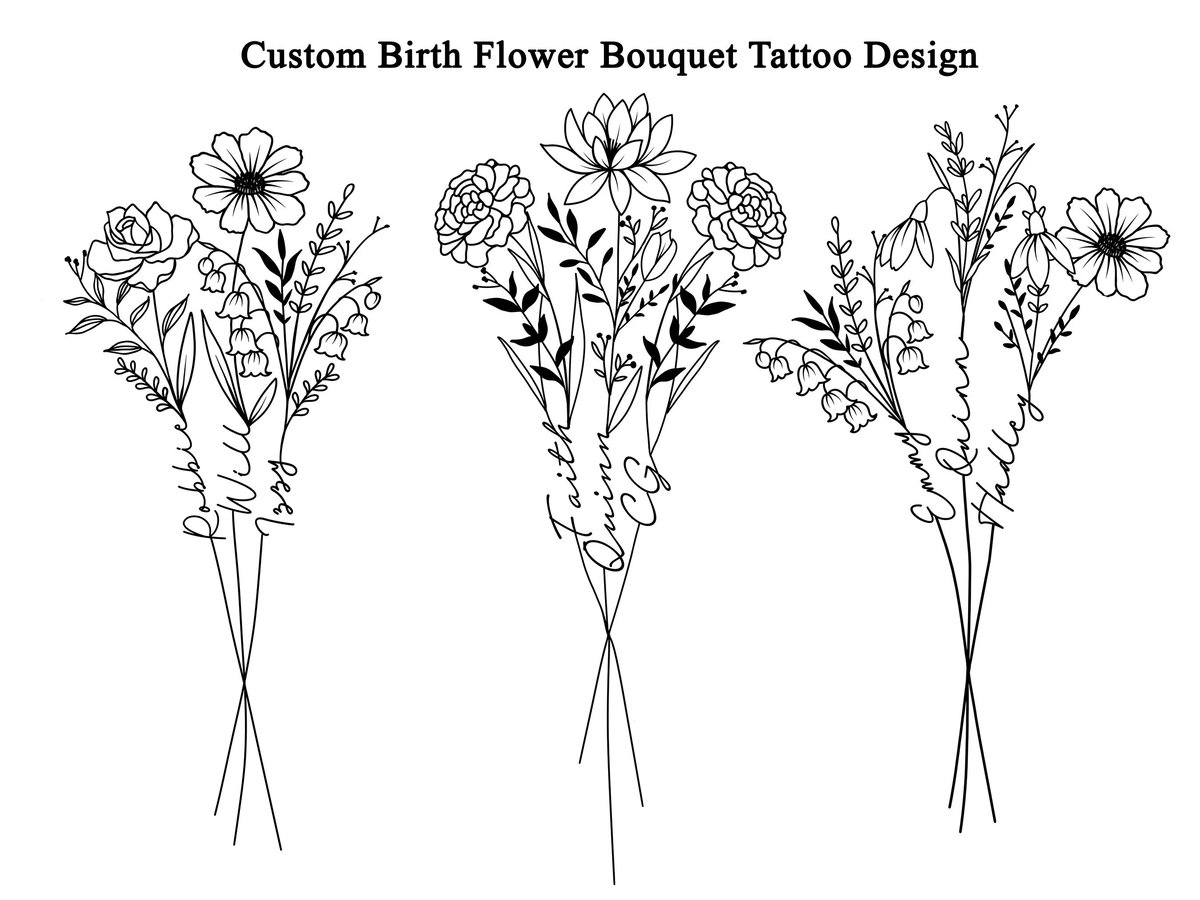
There’s a unique joy in giving a gift that speaks directly to the heart, a personal touch that mass-produced items simply can't replicate. That's where the magic of DIY Birth Flower Bouquet Assembly comes in. Imagine presenting a vibrant, custom-crafted arrangement, each bloom specifically chosen not just for its beauty, but for its deeply personal connection to the recipient's birth month. It's more than just flowers; it's a story, a sentiment, a tangible expression of care.
This guide will walk you through everything you need to know to create stunning, meaningful birth flower bouquets that delight and impress. Forget the generic florist fare – we're diving into the art of personal expression, empowering you to craft gifts that truly resonate.
At a Glance: Your DIY Bouquet Journey
- Discover Your Blooms: Identify the birth flowers for your recipient and understand their unique symbolism.
- Gather Your Arsenal: Essential tools, from shears to tape, will make the process smooth.
- Source with Savvy: Tips for selecting the freshest, most vibrant flowers and greenery.
- Master the Assembly: Learn the spiral technique and how to layer elements for a balanced, professional look.
- Personalize & Preserve: Add thoughtful touches and ensure your handcrafted bouquet stays fresh longer.
- Beyond Fresh: Explore dried and alternative options for lasting beauty.
Why a Birth Flower Bouquet? The Power of Thoughtful Blooms
In a world brimming with convenient, yet often impersonal, gift options, a DIY birth flower bouquet stands out. It's a testament to the time, effort, and affection you’ve invested. Beyond the visual appeal, birth flowers carry centuries of tradition and symbolism, adding layers of meaning that transform a simple gift into a cherished keepsake.
Consider the difference: a generic "Happy Birthday" bouquet versus one featuring delicate snowdrops for a January-born friend, symbolizing hope and purity, or vibrant gladioli for an August celebrant, representing strength and sincerity. This intentional selection makes the gift profoundly personal, resonating with the recipient on a deeper level. Plus, creating it yourself offers the undeniable satisfaction of crafting something beautiful and unique, all while typically being more budget-friendly than bespoke florist arrangements.
Unearthing Their Bloom: Identifying Birth Flowers & Their Meanings
Before you snip a single stem, you'll need to know which flowers belong to your recipient's birth month. While some months have a single widely accepted birth flower, many have two, offering you creative flexibility. For instance, someone born in June might have either roses (love, beauty) or honeysuckle (devotion) as their bloom. This choice allows you to further tailor the bouquet to their personality or your relationship.
You can easily generate your birth flower bouquet ideas online, often with a quick search. Take a moment to also understand the specific symbolism associated with each chosen flower. This knowledge will be invaluable when you write the accompanying card, explaining the thought behind each selection and transforming your bouquet into a narrative.
Your Essential Toolkit: Gearing Up for Success
You don't need a professional floral studio to create stunning bouquets. A few key tools will make the process infinitely easier and more enjoyable. Think of these as your trusty companions on your floral design journey:
- Sharp Floral Shears or Scissors: This is non-negotiable. Clean, sharp cuts prevent stem damage, allowing flowers to absorb water more efficiently. Avoid using dull kitchen scissors, which can crush stems.
- Floral Tape: Green, stretchy, and water-resistant. This is your secret weapon for securing stems together and creating a stable base.
- Twine or Ribbon: For finishing the bouquet handle. Jute twine offers a rustic touch, while satin or chiffon ribbons add elegance.
- Clean Vase or Bucket: For conditioning your flowers before assembly and holding the finished bouquet.
- A Clean Work Surface: An uncluttered space allows for better organization and creative flow.
- Wire Cutters (Optional): If you plan to incorporate wired succulents or sturdy greenery stems.
- Floral Wire (Optional): For reinforcing delicate stems or adding structural elements.
- Gloves (Optional): Especially useful if working with roses (thorns) or flowers that might irritate skin.
Sourcing Your Petals: Tips for Selecting the Freshest Blooms
The longevity and beauty of your bouquet begin with the quality of your flowers. Think of them as your primary ingredients – you want the best possible.
- Local & Seasonal is Key: Visiting a local farmer's market or a reputable flower shop is often your best bet. Seasonal flowers are generally fresher, more vibrant, and more affordable. If you're using birth flowers that aren't in season locally, you might need to rely on a good florist who sources internationally.
- Inspect Each Stem: Before buying, gently squeeze the base of a flower head; it should feel firm, not soft or mushy. Check leaves for any wilting, yellowing, or dark spots. Petals should be free from blemishes and look lively.
- Look for Budding Potential: A mix of fully open blooms and some still in bud will ensure your bouquet looks beautiful on day one and continues to evolve and open over several days.
- Consider Stem Length: Longer stems give you more flexibility in arranging and trimming. You can always shorten them, but you can't add length!
- Don't Forget Greenery: Greenery provides structure, contrast, and fills out the bouquet. Eucalyptus (silver dollar, seeded, spiral), Ruscus, Salal, and Myrtle are popular choices. Ensure leaves are vibrant and crisp.
Pro Tip: If you're unsure about extend the life of your blooms, ask your florist for specific care instructions for your chosen flowers. They're often happy to share their knowledge.
Pre-Assembly Prep: Setting Your Flowers Up for Success
Before you start arranging, a little preparation goes a long way in ensuring your flowers stay hydrated and happy. This "conditioning" process is crucial for longevity.
- Hydration Station: Fill a clean vase or bucket with cool water and a packet of flower food (or a homemade solution: 1 teaspoon sugar, a few drops of bleach per liter of water). Sugar feeds the flowers, and bleach inhibits bacterial growth.
- The Angled Cut: Working with one stem at a time, hold it under running water and use your sharp shears to cut about 1-2 inches off the bottom at a 45-degree angle. This creates a larger surface area for water absorption and prevents the stem from sitting flat on the bottom of the vase, which can block water uptake.
- Defoliate Below the Waterline: Remove any leaves or foliage that would fall below the waterline in your vase. Submerged leaves decompose quickly, introducing bacteria to the water and shortening the life of your bouquet.
- Thorn Removal (Roses): Carefully remove thorns from rose stems using a thorn stripper or your shears. Be gentle to avoid damaging the stem.
- Anther Removal (Lilies): If using lilies, gently pinch off the orange anthers before they release pollen. This prevents staining (on petals, clothes, or furniture) and can sometimes extend the flower's life.
- Let Them Drink: Place all prepared flowers immediately into your water-filled vase. Allow them to hydrate for at least 30 minutes, or preferably a few hours, before you begin assembly. This ensures they are fully turgid and less prone to wilting.
The Art of Assembly: Building Your Birth Flower Masterpiece
Now for the fun part! Creating a beautiful bouquet isn't just about sticking flowers together; it's about balance, structure, and telling a visual story. The "spiral technique" is a florist's secret for a stable, elegant arrangement that stands up beautifully in a vase.
Step 1: Establishing Your Foundation
Start with your largest or most significant birth flower as your central point, or a sturdy piece of greenery. Hold it firmly in your non-dominant hand. This will be the anchor of your bouquet.
Step 2: The Spiral Technique – Layering Your Blooms
This is where the magic happens.
- Add Your Next Flower: Take a second birth flower or a strong structural bloom. Cross its stem over the first one at an angle, resting it against the original stem. Rotate the bouquet slightly in your hand.
- Continue Adding: Keep adding flowers and greenery, always crossing the stems in the same direction around the central point. Imagine winding the stems around each other, creating a spiraling effect. This natural crossing helps the bouquet hold its shape without being tied yet.
- Vary Heights & Textures: Don't make everything the same height. Let some flowers peek above others, and intersperse your greenery for depth and contrast. This creates visual interest.
Step 3: Integrating Greenery and Filler Flowers
Greenery isn't just an afterthought; it's vital for structure and beauty.
- Framing the Stars: Weave in greenery around your primary birth flowers. Willow Eucalyptus provides delicate texture, while Salal or Ruscus offers broader, more substantial leaves for a robust frame. Trim greenery to varying lengths.
- Filling the Gaps: Once your main flowers and greenery are roughly in place, use smaller filler flowers like Baby's Breath (for innocence, classic elegance), Statice (for airy texture), or Solidago (for bright, delicate wisps). These fill in any sparse areas, creating a lush, cohesive look.
Step 4: Assessing and Refining Your Design
Step back frequently to look at your bouquet from all angles.
- Check for Balance: Does it feel symmetrical (if that's your goal) or beautifully asymmetrical? Are the colors distributed evenly, or do you have pockets of one shade?
- Adjust as Needed: Gently pull stems up or push them down to adjust heights. If a flower isn't sitting right, carefully remove and re-insert it following the spiral. Don't be afraid to experiment!
Step 5: Securing Your Masterpiece
Once you're happy with the arrangement, it's time to lock it in place.
- Floral Tape First: While still holding the bouquet firmly, use floral tape to tightly wrap the stems together, about 2-3 inches below where your flowers start to spread. Pull the tape slightly as you wrap to activate its adhesive. Wrap several times until it feels very secure. This is the structural backbone.
- Decorative Wrap (Optional): For a more polished look, wrap the taped section with a decorative ribbon or jute twine. Start at the top of the taped area, securing the end with a dab of hot glue (if using fabric ribbon) or by tucking it under the first few wraps (for twine). Wrap neatly downwards, then secure the other end.
Step 6: The Final Trim
- Even Stems: Using your sharp shears, trim all the stems to a uniform length. A good rule of thumb is to measure them against the vase you intend to use, ensuring they will reach the water without being too tall or too short for the vessel. About 4-6 inches below the binding point is a common length for most hand-tied bouquets.
- Re-Cut at an Angle: Just before placing the bouquet in its final water, give the very ends of the stems another quick snip at a 45-degree angle for maximum water uptake.
Personal Touches: Elevating Your Birth Flower Bouquet
This is where your bouquet truly transcends the ordinary. Incorporating elements beyond the flowers themselves creates an unforgettable gift.
- Ribbon with Meaning: Choose a ribbon color that symbolizes something special to the recipient, or even one featuring a subtle pattern relating to a hobby or interest.
- Small Mementos: Attach a delicate charm, a miniature framed photo, or a small trinket related to a shared memory. These can be tied into the ribbon or discreetly wired into the bouquet itself.
- Handwritten Note: A personalized card explaining the symbolism of each birth flower you’ve chosen, and why you picked them, is paramount. This deepens the appreciation for your thoughtful effort and allows the recipient to fully grasp the meaning behind their unique bouquet. You can explain the language of flowers to make your explanation more impactful.
- Fragrance: If your chosen flowers aren't particularly fragrant, you can subtly mist a fabric ribbon with a favorite essential oil or perfume that reminds you of the recipient.
Keeping Your Blooms Beautiful: Longevity Tips
You've poured your heart into creating this bouquet; now ensure it lasts as long as possible.
- Immediate Hydration: As soon as the bouquet is assembled and stems are trimmed, place it in a clean vase filled with fresh water and flower food.
- Change Water Daily: This is crucial. Stagnant water breeds bacteria. When changing water, give the stems another quick angle cut to refresh their ability to drink.
- Remove Fading Blooms: As flowers naturally fade, remove them. This prevents them from releasing ethylene gas, which can accelerate the aging of surrounding healthy blooms.
- Cool Environment: Keep the bouquet away from direct sunlight, heat sources (like radiators or electronics), and drafts. Cooler temperatures significantly extend flower life.
- Avoid Ripening Fruit: Ripening fruits (especially bananas and apples) release ethylene gas, which is a natural plant hormone that speeds up the aging process in flowers. Keep your bouquet a safe distance from your fruit bowl.
Beyond Fresh: Exploring Lasting Alternatives
While fresh flowers offer vibrant beauty and fragrance, they are ephemeral. For a gift that endures, consider alternatives inspired by the "DIY Birthday Bouquet Ideas" and Sola Wood Assembly instructions.
- Sola Wood Flowers: These natural, sustainable flowers are crafted from tapioca wood and can last indefinitely. They can be dyed any color, scented, and arranged just like fresh flowers. The assembly process, as outlined in the provided context, involves stemming the sola flowers with wire and hot glue, then arranging them with preserved greenery. This is an excellent option for someone who appreciates a lasting keepsake.
- Dried Flowers & Preserved Greenery: Create a rustic or bohemian bouquet using dried lavender, statice, lunaria, or eucalyptus. These retain much of their beauty and often a subtle scent. They are perfect for a low-maintenance, long-lasting gift that requires no water.
- Silk Flowers: High-quality silk flowers have come a long way and can look incredibly realistic. They offer durability and hypoallergenic options, making them suitable for those with allergies.
These alternatives allow you to still create a "birth flower" bouquet in spirit, selecting colors or styles that evoke the sentiment of their birth month, even if the exact fresh bloom isn't available or desired for longevity. For those interested in sustainable floristry practices, sola wood and dried flowers are excellent choices.
Troubleshooting Common DIY Bouquet Challenges
Even seasoned florists face hiccups. Here's how to navigate common issues:
- Bouquet Too Loose/Falling Apart: You likely haven't wrapped the floral tape tightly enough, or your spiral isn't consistent. Re-unwrap, ensure stems are tightly angled and crossing, then re-tape with firm pressure.
- Flowers Wilting Quickly: This is often a hydration issue. Ensure stems were cut at a 45-degree angle under water, all leaves below the waterline were removed, and the water is fresh with flower food. Check for any crushed stems.
- Uneven Appearance: You might be placing flowers too symmetrically. Try to vary heights and positions, stepping back frequently to assess the overall shape. Think about where the eye naturally travels.
- Too Much Greenery/Not Enough: Adjust as you go. It's easier to remove excess greenery than to add more later without disrupting the structure. Aim for greenery to complement, not overpower, your feature blooms.
Remember, practice makes perfect. Your first bouquet might not be flawless, but each attempt builds skill and confidence in mastering basic floral design techniques.
Gifting Your Handcrafted Creation: Presentation Matters
You've poured your heart into assembling a beautiful, meaningful birth flower bouquet. Now, how do you present it in a way that truly highlights your effort?
- The Perfect Vase: If you're delivering the bouquet without it being pre-arranged in a vessel, ensure you gift it with a suitable container. A simple, elegant glass vase allows the flowers to shine without distraction. Consider the bouquet's size and style when picking the perfect vase.
- Decorative Wrap: For a hand-tied bouquet, wrap the bottom stems in a complementary decorative paper (kraft paper for rustic, tissue paper for elegant, cellophane for protection) before gifting. Secure with an additional ribbon or twine. This adds a professional, thoughtful touch and protects the stems during transport.
- The Card: As mentioned, a handwritten card explaining the birth flower symbolism and your personal reasons for choosing each bloom is essential. It transforms the physical gift into an emotional experience.
- Safe Transport: If traveling with the bouquet, ensure it's in a stable container with enough water to keep it hydrated. A box with a non-slip mat or a bucket secured in the car can prevent damage.
The Lasting Impression of a Meaningful Gift
There's an undeniable joy in giving, especially when the gift is infused with personal meaning and crafted with love. A DIY birth flower bouquet isn't just an arrangement of pretty petals; it's a vibrant testament to your relationship, a handcrafted whisper of "I see you, and I care." Each bloom tells a story, each thoughtful touch speaks volumes. So, gather your tools, choose your flowers, and embark on this delightful journey of creation. The smile you'll bring to someone's face will be your greatest reward.