The world is awash in hidden languages, none more beautiful or enduring than the silent poetry of flowers. From ancient rituals to modern celebrations, flowers have always spoken volumes, and among their most cherished dialects is the tradition of birth month flowers. Understanding the Historical & Cultural Significance of Birth Flowers isn't just about identifying a pretty bloom; it's about unlocking a rich tapestry of history, symbolism, and personal connection that spans continents and millennia.
These blossoms are far more than mere decorations. Each one carries a unique story, a whisper of protective powers, a testament to enduring love, or a promise of renewal, making them potent symbols in our lives and celebrations.
At a Glance: What You'll Discover About Birth Flowers
- Ancient Roots: The tradition began with ancient Romans and other cultures linking flowers to months for protection and religious ceremonies.
- Victorian Evolution: Floriography, the "language of flowers," standardized birth flower meanings, connecting blooms to specific emotions and months.
- Global Significance: Birth flowers are central to celebrations across Western, Eastern, and Indigenous cultures, each imbuing them with unique spiritual and practical meanings.
- Month-by-Month Symbolism: Every birth flower carries distinct messages of love, loyalty, resilience, purity, new beginnings, and more.
- Modern Relevance: They enrich personalized gifts, art, literature, and home decor, offering a unique way to connect with identity and heritage.
- Actionable Ideas: Learn practical ways to incorporate birth flowers into gifts, celebrations, gardening, and daily life.
The Blossoming Story: How Birth Flowers Took Root
The journey of birth flowers from ancient ritual to modern tradition is a fascinating one, echoing humanity's enduring connection with the natural world. It began not with birthday cards, but with deeper, often spiritual, intentions.
Whispers from Antiquity: Where the Tradition Began
Long before "birth flower" was a recognized term, ancient civilizations intuitively understood the power and symbolism of plants. In ancient Rome, for instance, flowers were deeply intertwined with protective powers and religious rituals, often associated with deities or specific times of the year. People would gather seasonal blooms, believing they held intrinsic qualities that could offer good fortune, ward off evil, or honor gods and goddesses. This early practice of linking specific flora to a particular time laid the foundational seed for what would eventually evolve into our modern birth flower tradition. Similar customs emerged in other ancient societies, where the natural cycles of growth and bloom were seen as reflections of life's own mysteries.
The Victorian Era's "Secret Language": Floriography Takes Hold
Fast forward to the 19th century, and the world witnessed a profound cultural shift: the rise of floriography, or the "language of flowers." This was a time when direct expression of emotions, especially love, was often deemed impolite. Flowers became the perfect medium for conveying unspoken sentiments. Elaborate dictionaries were published, standardizing the meanings of hundreds of different blooms and arrangements.
It was during this era that the concept of associating a specific flower with each month truly flourished and became widely popularized. Gifts of birth flowers transformed from a simple gesture into a deeply symbolic message, allowing individuals to communicate affection, remembrance, or hope without uttering a single word. If you're curious to delve deeper into floriography and its intricate rules, it’s a captivating study of a bygone era's communication style. This period solidified birth flowers not just as symbols, but as integral parts of personal identity and social interaction.
A World of Meaning: Birth Flowers Across Cultures
The beauty of birth flowers lies in their universality, yet their specific interpretations are wonderfully diverse. They are woven into the fabric of cultures worldwide, reflecting unique beliefs, histories, and spiritual practices.
Western Echoes: Love, Purity, and Celebration
In Western cultures, birth month flowers are often front and center in birthday celebrations, serving as cherished symbols of identity and affection. Their roots here are deeply embedded in folklore, mythology, and later, the Romantic era.
In Europe, for example, flowers have long been connected to pagan deities and Christian saints. The April daisy, with its pristine white petals, symbolizes purity and innocence. Historically, it was considered sacred to Freya, the Norse goddess of love, beauty, and fertility, making its association with new beginnings and youthful optimism especially poignant.
When European settlers arrived in North America, they brought these floral traditions with them. Over time, these customs merged with local flora and cultural adaptations. June's iconic rose, for instance, became a pervasive symbol of love and passion across the continent, frequently appearing in celebrations from birthdays to weddings. The Romantic era, a period characterized by heightened emotion and appreciation for nature, further solidified these associations, transforming birth flowers into integral parts of personal expression and gift-giving. Understanding the nuanced language of roses alone could fill a book, showcasing the depth of meaning attached to these blooms.
Eastern Wisdom: Longevity, Spirituality, and Transient Beauty
The East offers an equally profound and often more spiritually integrated perspective on flowers. Here, blooms are not just beautiful; they are imbued with deep philosophical and religious significance.
In China, the chrysanthemum, November's birth flower, is revered as a symbol of longevity, immortality, and good fortune. It's prominently celebrated during the Double Ninth Festival, a time for honoring ancestors and cherishing the elderly. Its resilience in autumn is seen as a metaphor for enduring life and health.
Japan's cherry blossom (Sakura), often associated with April, is perhaps one of the most iconic floral symbols globally. It represents the transient beauty of life, its ephemeral nature mirroring the Buddhist concept of mono no aware (the pathos of things). The annual Hanami festival sees millions gather to admire these delicate blooms, reflecting on life's fleeting moments and the joy of the present.
In India, marigolds, often linked to October, are indispensable in Hindu rituals and festivals like Diwali, the festival of lights. Their vibrant orange and yellow hues symbolize the sun's energy, purity, and auspiciousness, used to adorn deities and homes, inviting prosperity and blessings.
The Middle East also holds flowers in high regard. May's lily signifies purity and renewal, playing a significant role in Persian New Year (Nowruz) celebrations, marking rebirth and the arrival of spring. December's narcissus symbolizes love, rebirth, and good fortune, often gracing festive tables. In Korea, the lotus, a July flower in some interpretations, is a powerful symbol of purity, spiritual enlightenment, and rebirth, frequently depicted in Buddhist art and architecture. These examples highlight how deeply entwined flowers are with the spiritual and philosophical fabric of Eastern societies.
Indigenous Roots: Healing, Protection, and Abundance
Indigenous cultures worldwide attribute profound spiritual, medicinal, and ceremonial properties to flowers, viewing them as living parts of a interconnected natural world rather than mere aesthetic objects.
In various African cultures, flowers like February's African violet are not just beautiful but are often associated with healing, protection, and spiritual well-being. November's protea, native to South Africa, symbolizes change, diversity, and courage, reflecting the continent's rich biodiversity and deep respect for resilience.
Native American tribes have long connected August's sunflower to the sun, harvest, and bounty. It symbolizes sustenance, adoration, and longevity, often used in ceremonies and as a source of food. June's wild rose, with its delicate beauty, is valued not just for its appearance but also for its medicinal properties and its symbolism of beauty, love, and healing.
Further afield, in Australia and the Pacific Islands, the relationship with native flora is equally deep. September's striking waratah, an iconic Australian native, symbolizes strength, resilience, and beauty in challenging environments. In Hawaii, May's hibiscus embodies beauty, hospitality, and respect, traditionally used in leis to welcome visitors and honor special occasions, demonstrating a profound connection to community and place. These examples underscore how indigenous peoples interact with flowers not just culturally, but also as vital components of their holistic worldview.
Your Birth Flower's Story: A Month-by-Month Guide to Symbolism
Every month has its bloom, and with it, a narrative of characteristics and virtues. While some months have a primary flower, many also feature secondary flowers, offering a richer palette of meaning and a nod to regional and seasonal variations. This dual-flower tradition allows for deeper personalization and a wider range of expression.
January: Carnation & Snowdrop
- Carnation: Symbolizing deep love, fascination, and distinction, the carnation is a resilient bloom that thrives even in cooler weather. Its various colors also carry specific nuances: red for deep love, pink for mother's love, and white for purity and good luck. This flower speaks to loyalty and an enduring spirit.
- Snowdrop: As one of the first flowers to emerge from winter's slumber, the snowdrop represents purity, hope, and renewal. It's a delicate promise of spring, embodying optimism and the courage to face new beginnings.
February: Violet & Primrose
- Violet: With its modest beauty and gentle fragrance, the violet symbolizes loyalty, humility, and devotion. It speaks of true love and faithfulness, a quiet strength that endures.
- Primrose: This early spring bloomer represents youth, young love, and renewal. Its name comes from "prima rosa," meaning "first rose," signifying freshness and the promise of what's to come. It also hints at everlasting love and remembrance.
March: Daffodil & Jonquil
- Daffodil: The vibrant daffodil is a beacon of new beginnings, optimism, and rebirth. Its appearance after winter is a joyous declaration of spring, symbolizing hope and unrequited love in some traditions.
- Jonquil: A type of narcissus, the jonquil carries specific meanings of affection, desire, and creative renewal. It’s often seen as a symbol of returning affection and a yearning for new inspiration.
April: Daisy & Sweet Pea
- Daisy: Innocence, simplicity, and purity are the hallmarks of the daisy. It also represents faithful love and "I'll never tell," making it a symbol of gentle secrets and childlike wonder. Its open face mirrors the sun, bringing cheer.
- Sweet Pea: This fragrant flower embodies gratitude and blissful pleasure. Giving sweet peas is a way to say "thank you for a lovely time" or to express delicate joy and departure.
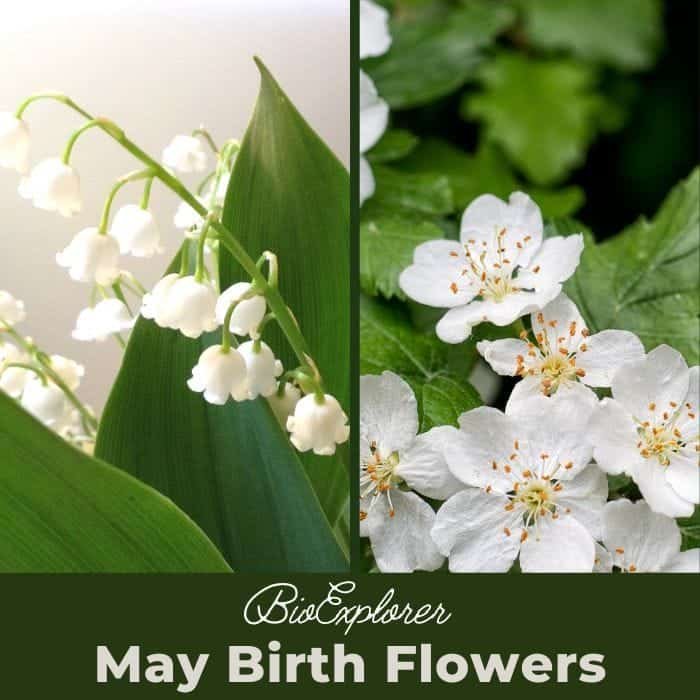
May: Lily of the Valley & Hawthorn
- Lily of the Valley: Symbolizing sweetness, humility, and the return of happiness, this delicate bell-shaped flower is often associated with purity and motherhood. Its ephemeral beauty represents cherished moments.
- Hawthorn: More of a tree or shrub blossom, hawthorn offers protective qualities, hope, and safety. It’s deeply rooted in folklore, often seen as a symbol of rebirth and the promise of a bright future.
June: Rose & Honeysuckle
- Rose: The undisputed queen of flowers, the rose symbolizes love, passion, and artistic inspiration. Its meanings vary by color: red for deep love, pink for admiration, white for purity, and yellow for friendship. It's a timeless emblem of affection and beauty.
- Honeysuckle: This sweetly scented vine represents devoted affection and enduring happiness. Its climbing nature suggests strong, lasting bonds and the joy of shared experiences.
July: Larkspur / Delphinium
- Larkspur / Delphinium: These majestic spires convey dignity, open-heartedness, and positive energy. They are also associated with healing, remembrance, and the joy of lightness. Each color can add a layer of meaning, such as white for happiness and pink for fickleness.
August: Gladiolus & Poppy
- Gladiolus: Known as the "sword lily," the gladiolus symbolizes strength, moral integrity, and determination. Its tall, imposing stature represents powerful character and sincerity.
- Poppy: While often associated with remembrance (especially red poppies for fallen soldiers), poppies also symbolize peace, restful sleep, and imagination. Their vibrant, delicate petals suggest a fleeting yet powerful beauty.
September: Asters & Morning Glories
- Asters: These star-shaped flowers represent wisdom, faith, and patience. In ancient times, they were believed to have magical properties and were often placed on altars. They convey deep thought and enduring belief.
- Morning Glories: As their name suggests, morning glories symbolize affection, undying love, and new beginnings, blooming afresh each day. Their temporary beauty speaks of cherishing each moment.
October: Marigold & Cosmos
- Marigold: With its sunny disposition, the marigold represents affection, resilience, and the warmth of the sun. It's often associated with remembrance of the dead in some cultures, but also with vibrant life and positive energy.
- Cosmos: Symbolizing harmony, balance, and peaceful beauty, the cosmos flower brings a sense of order and tranquility. Its perfect petals suggest a well-ordered universe and a serene outlook.
November: Chrysanthemum
- Chrysanthemum: A multifaceted bloom, the chrysanthemum is a powerful symbol of joy, longevity, and remembrance. It also conveys honor, comfort, and deep friendship. In many Asian cultures, it's a revered flower representing good fortune and happiness.
December: Narcissus & Holly
- Narcissus: While the jonquil (a type of narcissus) is a March flower, the larger narcissus as a December bloom primarily represents new beginnings, optimism, and blissful pleasure, especially the Paperwhite variety. It’s a bright spot during the shortest days, symbolizing hope.
- Holly: More than just a festive decoration, holly represents protection, goodwill, and festive cheer. Its evergreen leaves and red berries symbolize everlasting life and the spirit of peace and joy during winter.
Across all these months, you'll notice recurring themes: love in its many forms, the enduring power of purity, the constant cycle of rebirth and renewal, and the optimistic spirit of starting over. These universal messages resonate deeply, regardless of cultural background. If you're looking to explore broader flower symbolism beyond birth month connections, the language of blooms offers endless insights.
Beyond Blooms: Modern Relevance and Personal Connection
In our fast-paced world, where connection often feels digital, birth flowers offer a tangible link to heritage, personal identity, and the timeless beauty of nature. They are far from obsolete; their significance is evolving, finding new expressions in contemporary life.
Art, Literature, and Fashion: Where Blooms Inspire Creativity
Artists, writers, and designers have always drawn inspiration from the natural world, and birth flowers are no exception. From intricate botanical illustrations that capture every delicate petal to vibrant floral motifs on haute couture runways, these blooms transcend their botanical origins to become muses. Poets weave their symbolism into verses of love and loss, painters immortalize their beauty on canvas, and fashion designers infuse their patterns and colors into clothing, creating pieces that tell a story beyond mere aesthetics. They are a universal language of beauty and meaning that continually sparks creative endeavors, connecting us to a shared artistic heritage.
Personalized Gifts and Celebrations: Marking Milestones with Meaning
Birth flowers add a profoundly personal and meaningful touch to celebrations. Imagine gifting a new parent a piece of art featuring their newborn’s birth month flower, symbolizing hopes and dreams for their future. For birthdays, a bouquet crafted with the recipient's birth flower isn't just a collection of pretty stems; it's a thoughtful message tailored specifically for them. Weddings frequently incorporate the couple's birth flowers into bouquets, centerpieces, or even as meaningful favors, symbolizing the union of their unique spirits. These personalized touches elevate simple gestures into cherished memories, reinforcing a bond and celebrating individuality. When you personalize gifts with floral motifs, you’re not just giving a present, you’re bestowing a piece of meaning.
Integrating with Other Symbols: A Deeper Identity Portrait
The tradition of birth flowers often doesn't stand alone. It frequently intertwines with other personal symbols, creating a richer, more comprehensive portrait of an individual's identity. Birthstones, with their unique colors and energetic properties, are a natural pairing. A piece of jewelry might feature both a birth flower motif and the corresponding birthstone, amplifying its personal significance.
Similarly, zodiac signs, with their celestial influences and personality traits, offer another layer of connection. Some individuals enjoy exploring how their birth flower’s symbolism resonates with their astrological profile. This multidisciplinary approach allows for a deeper, more nuanced understanding of self and heritage, empowering individuals to connect with their identity on multiple levels. If you've ever wondered about the meaning behind birthstones, exploring how they pair with birth flowers opens up a whole new world of personalization.
Why Two Flowers? Primary and Secondary Blooms
You might have noticed that many months boast not just one, but sometimes two or more associated birth flowers. This isn't a sign of confusion, but rather a reflection of the tradition's evolution and flexibility.
The primary reason for multiple flowers stems from seasonal and regional variations. What blooms abundantly in one part of the world during a particular month might be scarce or non-existent elsewhere. Historically, people would associate the most prominent and meaningful local flower with their birth month. Over centuries, as these traditions blended and globalized, multiple associations emerged.
Furthermore, having primary and secondary flowers offers richer symbolism. While one flower might represent a core trait, another can provide a complementary or nuanced meaning, allowing for a more complete expression. This flexibility allows individuals to choose the bloom that resonates most deeply with them, adding layers to the already profound symbolism of birth flowers.
Bringing Your Birth Flower to Life: Actionable Insights
Understanding the historical and cultural significance of birth flowers is one thing; bringing that meaning into your everyday life is another. Here’s how you can embrace your unique floral heritage.
1. Discover Your Bloom (or Blooms!)
Your first step is simple: Research your birth month to identify its associated primary and secondary birth flowers. Familiarize yourself with their unique symbolism. This initial discovery often sparks a deeper personal connection. Knowing your flower is the key to unlocking its power.
2. Thoughtful Gifting & Celebrating
Birth flowers offer a wealth of opportunities for truly personalized and meaningful gestures:
- Personalized Bouquets: The most direct way to celebrate! Give a bouquet composed of the recipient's birth flower. For an extra touch, consider a mix that includes both their primary and secondary blooms, or even flowers whose colors align with their birthstone.
- Art & Home Decor: Incorporate your birth flower into custom artwork. This could be a print for your wall, an embroidered cushion, a unique painting, or even a subtly etched piece of glassware. It's a beautiful way to keep your personal symbol close.
- Meaningful Jewelry: Birth flower charms, pendants, or earrings are timeless treasures. Many artisans create intricate pieces featuring specific blooms, often paired with the corresponding birthstone for a truly bespoke item.
- Stationery & Apparel: Elevate everyday items. Choose cards, notebooks, or journals adorned with your birth flower. Consider scarves, ties, or even custom embroidered clothing that subtly features your bloom, making a unique personal statement.
- Weddings & Anniversaries: For couples, integrating both their birth flowers into wedding bouquets, boutonnieres, centerpieces, or even as elements in their invitation design adds profound personal symbolism to their union. It's a beautiful way to tell their story through nature.
- Baby Milestones: Celebrate a new arrival by decorating the nursery with their birth flower. Consider naming the child after a significant bloom or creating keepsakes (like embroidered blankets or framed prints) featuring the baby's birth flower.
3. Cultivating Your Connection
Beyond gifting, you can bring your birth flower into your personal space and care:
- Gardening Your Birth Flower:
- Container Gardening: If you have limited space, many birth flowers (like carnations, violets, marigolds, or small roses) thrive in pots on a patio or balcony.
- Backyard Gardens: Design a section of your garden to feature your birth flower prominently. This creates a living, breathing connection to your personal symbolism.
- Caring for Birth Flowers: Research the specific care needs (sunlight, water, soil type, pruning) for your chosen birth flower. Nurturing it yourself deepens your appreciation and connection to its natural lifecycle and resilience.
These actionable insights aren't just about incorporating a pretty flower; they're about embracing a tradition that connects you to history, culture, and your own unique story. Ready to make these connections? You can even Generate your birth flower bouquet to visualize possibilities.
Common Questions About Birth Flowers
Navigating the world of birth flowers can sometimes raise a few questions. Here are crisp answers to some common curiosities:
Why do some months have two birth flowers?
Many months have primary and secondary birth flowers due to historical, regional, and seasonal variations. What bloomed prominently in one area during a specific month might differ elsewhere. This offers richer symbolism and more options for personal connection, allowing individuals to choose the flower that resonates most deeply.
Are birth flowers universal across all cultures?
While the concept of associating flowers with personal significance is widespread globally, the specific flowers assigned to each month and their exact symbolism can vary significantly between cultures (e.g., Western vs. Eastern traditions). The associations we commonly refer to today are largely derived from Western floriography traditions, though many cultures have their own distinct floral calendars and meanings.
How did 'floriography' influence birth flowers?
Floriography, or the "language of flowers" popular in the Victorian era, standardized the symbolic meanings of numerous blooms. This era was pivotal in solidifying the specific association of certain flowers with each month, transforming a looser tradition into a more recognized and defined system of personal symbolism.
Can I use my birth flower in unexpected ways?
Absolutely! Beyond traditional gifts and gardens, birth flowers can inspire tattoos, signature scents (if the flower is fragrant), names for pets or children, personal logos, or even themes for personal events. Their symbolism can guide choices in fashion, art collecting, or home decor, making them a subtle yet meaningful part of your identity.
Embracing Your Floral Heritage
The journey through the Historical & Cultural Significance of Birth Flowers reveals more than just botanical facts; it uncovers a profound human desire to find meaning in the natural world, to celebrate life's milestones, and to connect with a heritage that transcends borders and generations.
These flowers are living symbols, rich with stories of love, resilience, hope, and renewal. By understanding their origins, their cultural echoes, and their individual messages, you don't just admire a bloom; you connect with a legacy. Whether you're gifting a personalized bouquet, cultivating your own garden, or simply reflecting on the symbolism of your own birth flower, you're participating in a beautiful, enduring tradition. Embrace your floral heritage, and let the quiet poetry of your birth flower enrich your life in unexpected ways.